


How to Find Your Equipment Model Number.
听
Finding the right parts for your equipment is easy when you have your model and serial number which can be found on the data plate. Luckily, a forklift data plate is installed on every truck on the market to help you understand what your forklift can do and provide vital information.
听
Model Number:听The model number of your toyota forklift is extremely important for relaying information to your dealers about repair or technical assistance and for looking up replacements part!
听
Serial Number:听The serial number on your lift is the most important number.The model serial number combination will allow us to provide you with the parts that will fit your particular piece of equipment.
听

How to Find Your Equipment Serial Number.
听
Finding the right parts for your equipment is easy when you have your model and serial number which can be found on the data plate. Luckily, a forklift data plate is installed on every truck on the market to help you understand what your forklift can do and provide vital information.
听
Model Number:听The model number of your toyota forklift is extremely important for relaying information to your dealers about repair or technical assistance and for looking up replacements part!
听
Serial Number:听The serial number on your lift is the most important number.The model serial number combination will allow us to provide you with the parts that will fit your particular piece of equipment.
听

Need some help? For further assistance or more information, contact your local Toyota Dealer.


Please click below to sign in to your MyToyota account
Don't have an account?
How To 5S Your Desk With Toyota鈥檚 Lean Management Techniques
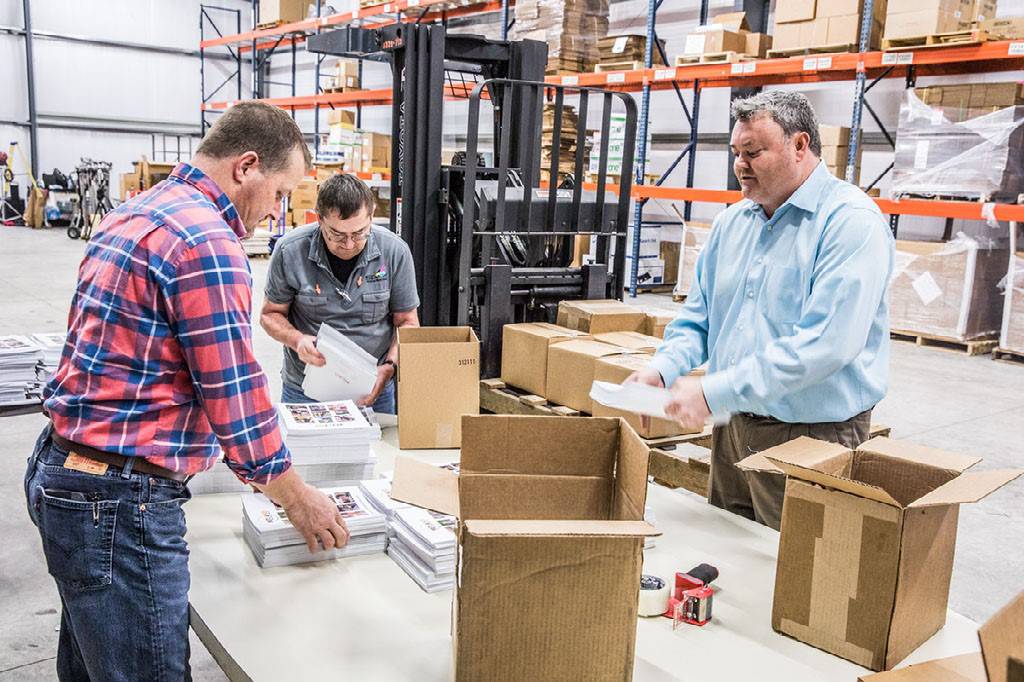
Toyota鈥檚 world-renowned operational process, Lean Management听, is best known for increasing productivity within factory production lines and warehouses. But Toyota鈥檚 Lean Management can also be applied to cubicles, offices, and business operations in various industries. Keep reading to learn how the 5S System can help you turn a messy, cluttered desk into an efficient, productive workstation.
听
The 5S鈥檚 are 5 Japanese words that guide the Toyota Lean Management System: Seiri (Sort), Seiton (Systematize), Seiso (Shine), Seiketsu (Standardize), and Shitsuke (Sustain).听听
Seiri 鈥� Sort
The first stage of the 5S System is Sort. Begin by going through each item on, in, and under your desk and decide what is necessary and what is not. Remove items that don鈥檛 help you complete your job daily or add value. You will see an immediate impact from completing this first step.听
Here are a few examples of areas you will want to Sort:
- Recycle or throw away excess paper, empty water bottles, old wrappers, and any waste, or muda, that has accumulated.
- Remember the phrase 鈥渏耻蝉迟-颈苍-迟颈尘别鈥�听when Sorting through your office supplies. Keep only what you need to complete your daily tasks at your desk. Return all extra office supplies to the communal area.
- Purge the junk drawer. Get rid of expired snacks, dry pens and highlighters, loose paper clips, and random cords. If you haven鈥檛 used it in over a month, you probably don鈥檛 need it.
Seiton 鈥� Systematize
Next comes systematizing, which means creating a system for a particular space. Make sure there is a place for everything and that everything stays in its place. During this phase, think of your daily workflow. Keep items you use frequently easily accessible and items you use less often further away.
Examples of how to Systematize your desk:
- For items that are placed on your desk, use washi or painter鈥檚 tape to create an outlined area for objects you want to have a designated home (like staplers or tape). Create a label for what is placed inside each outlined area. This increases efficiency since you won鈥檛 waste time searching for things you need.
- For supplies you don鈥檛 use daily, utilize drawer-sized bins or baskets to keep items separated and organized. Label each basket with the materials it holds so that you can easily replenish items once they have been used.
- Create a space for loose papers that need your attention. Use a paper tray labeled 鈥淚nbox鈥� for all your mail, invoices, contracts, and other important physical documents. That way they are placed in the same area to be checked and completed each day.
Seiso 鈥� Shine
Once you have eliminated waste and created a systemized workflow, it鈥檚 time to test it out. As you spend the next few days in your tidy, new workspace, you鈥檒l notice inconsistencies or problems. Step 3, Shine, calls for refining these issues. Make sure to implement countermeasures as problems arise. For example, if you find yourself reaching to the right to grab the stapler, but it鈥檚 on the left side of your desk, now is the time to rehome it.
听
Once you have made your workspace Shine through the refinement process, take a photo for future reference. Your desk should look like the photo at the end of each workday.
Seiketsu 鈥� Standardize
Standardization ensures practices are efficient and successful, so that they can be duplicated to improve the performance of a process or task. Completing a task the same way each time allows you to find and address systemic breakdowns and to replicate continuous success. After ensuring your workstation is refined, continue practicing the processes that worked and do away with the processes that didn鈥檛.
Shitsuke 鈥� Sustain
The last step in the 5S System is all about consistency. Sustaining requires discipline to maintain what you have accomplished. To hold yourself accountable, set a calendar reminder for six months from now to conduct a self-audit. Look at the photo you took during the Seiso (Shine) step and see how your desk compares. Consider what processes are still working and what could be improved upon, then implement those changes.
听
If you think this is a lot of time to spend organizing your desk, keep in mind that this is an upfront investment that will continue to pay off鈥攊f you sustain it. For example, if this process increases your productivity by just five minutes a day, over the span of about 250 workdays per year, that鈥檚 almost 21 hours saved.
听
If you felt the 5S System was useful, apply it to your office and other business operations. Discover more about Toyota Lean Management.